
【こぼれ話】春節前にアリババよりQwen-Image-2.0がリリースされました。Nano Bananaのような画像生成・補正AIです。中国語テキストからの画像編集や漢字入り画像生成を長文で暗示的なものもしっかり読み解き、違和感がなく作り上げている、と高評価。詳しい事例は記事にて 36kr.com/p/367889498767…


Qwen Image 2.0 is a next-generation multimodal AI image generator and editor that unifies image creation and editing. Built for high visual quality, it excels at long-prompt understanding, complex text rendering, and precise execution across spatial logic, cultural aesthetics, and professional typography.
Qwen Image 2.0 is dedicated to building a unified visual processing framework, enhancing inference efficiency and output quality through structural optimization.
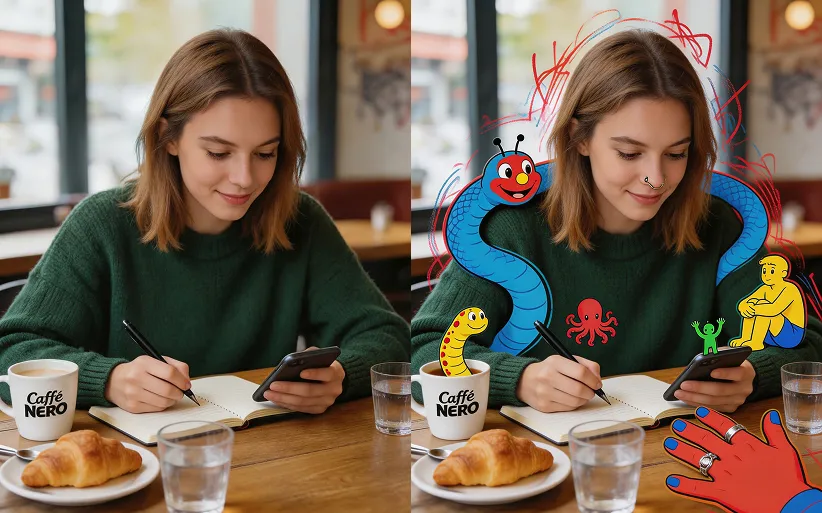
Supporting complex instruction inputs of up to 1k tokens, the model can directly generate professional graphics containing massive textual information. Whether it is a complex slide, a bilingual poster, or an infographic, it achieves precise character layout, ensuring organized and logical text arrangement in both Chinese and English contexts.
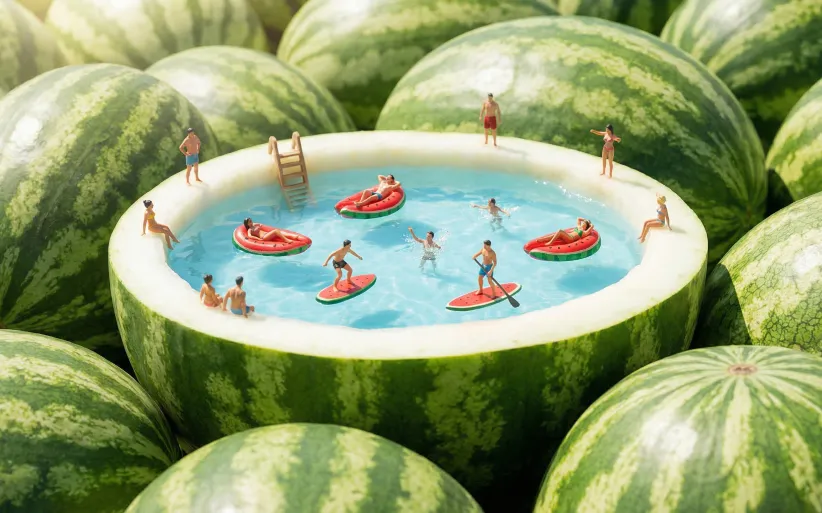
The system supports native 2K resolution generation. This allows the model to present visible delicacy when processing human skin textures, natural landscapes, and architectural details. From microscopic pores to fabric weaves, it accurately restores the visual characteristics of the real world.
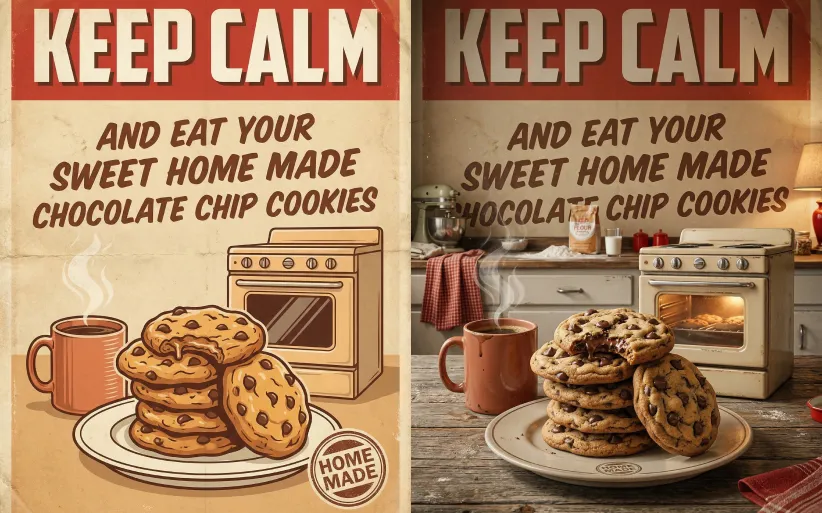
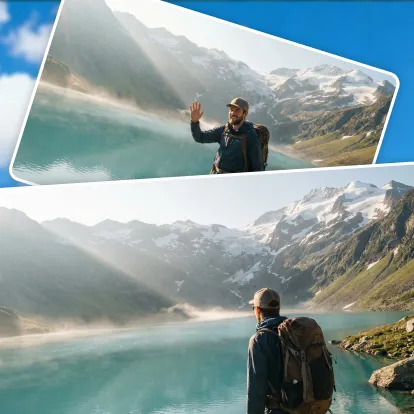
Qwen Image 2.0 moves past the limitations where generation and retouching required separate models. It integrates both under a single framework. It can build scenes from scratch based on descriptions and seamlessly edit existing images, such as adding text to specific areas, changing object attributes, or performing logical synthesis of multiple image assets.
The model not only leads in technical parameters but also shows significant adaptability in understanding human aesthetics and specific industrial standards.
Benefiting from a deep language model foundation, Qwen Image 2.0 understands spatial layouts and detailed modifications within instructions. Even for descriptions involving multiple subjects, complex lighting requirements, and specific composition ratios, the model accurately captures the core intent, significantly reducing randomness in the creative process.
The model has been deeply optimized for calligraphic arts and Chinese aesthetics. It can master various styles such as Slender Gold, Running Script, and Small Regular Script, naturally integrating these texts with artistic forms like ink wash scrolls and court paintings to achieve the aesthetic height of "poetry, calligraphy, and painting as one."
When generating images containing glass reflections, shadow perspectives, and multi-layered layouts, the model exhibits high authenticity. It simulates the reflection laws and depth-of-field changes of the physical world, ensuring that generated text fits naturally with background materials and lighting environments without any sense of splicing.
In the generation of comic panels, calendar grids, and various OKR flowcharts, the model demonstrates excellent layout control. Logical connections between modules, alignment relationships, and text margins are handled automatically, producing structured images with professional standards.
With its versatile creative attributes, the model has widely permeated various fields, from professional workflows to daily artistic creation.
The model can be used to quickly generate high-quality PPT pages, mind maps, and data analysis infographics. It transforms complex business logic directly into visual assets, significantly reducing the time cost of manual typesetting, especially for report materials requiring extensive text annotation.
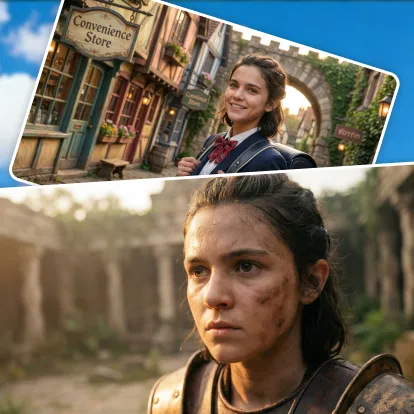
In movie poster design and print advertising, the model can generate drafts with cinematic texture and refined copy layout based on script descriptions or core selling points. Its powerful lighting processing capabilities provide highly realistic visual references for creative professionals.
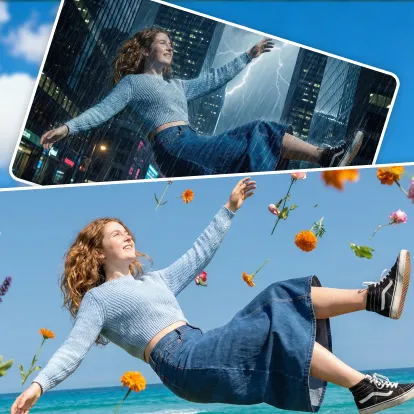
Through precise control over comic panel arrays, the model can be used to draw coherent picture book stories or commercial storyboards. It ensures character consistency across different frames and naturally embeds dialogue into speech bubbles, improving narrative efficiency.
Input a detailed text description. It is recommended to include precise descriptions of the visual style, composition, lighting requirements, and specific text content in the prompt. The word count can be as detailed as needed.
To edit an existing image, please upload the original material. Then, provide targeted modification instructions, such as "add text in a specific style to the top right corner" or "change the clothing attributes of a certain subject in the frame."
The system performs the calculation and produces the image. You can further fine-tune the instructions based on the results until the visual details and typography effects fully meet your expectations.

See how people are using Qwen Image 2 AI to create, share, and imagine boundary-pushing visuals.
【こぼれ話】春節前にアリババよりQwen-Image-2.0がリリースされました。Nano Bananaのような画像生成・補正AIです。中国語テキストからの画像編集や漢字入り画像生成を長文で暗示的なものもしっかり読み解き、違和感がなく作り上げている、と高評価。詳しい事例は記事にて 36kr.com/p/367889498767…
千问发布Qwen-Image-2.0 文字能力提升,能生成PPT和带文字的漫画,可生成2K分辨率图片。不过整体还是比不上Banana Pro。目前只能在官网使用,但是官方明确说年后会开源。 使用地址:chat.qwen.ai/?inputFeature=… 官方介绍:qwen.ai/blog?id=qwen-i…

1/4 🚀We are launching Qwen-Image-2.0, a next-generation foundational image generation model. The key highlights of Qwen-Image-2.0 include: Professional Typography Rendering: Supports 1k-token instructions for direct generation of professional infographics, including PPTs,
finally we move to qwen-image-2.0 before cny! much higher quality, 2k resolution, next-level text rendering. feel free to give a try at chat.qwen.ai

🚀 Introducing Qwen-Image-2.0 — our next-gen image generation model! 🎨 Your imagination, unleashed. ✨ Type a paragraph → get a pro slides ✨ Describe a scene → get photoreal 2K magic ✨ Add text → it just works (no more glitchy letters!) ✨ Key upgrades: ✅ Professional


